
Extended Reality
Immersive systems grounded in perceptual science
Extended reality and virtual reality work in this programme focuses on immersive systems that are shaped by perception rather than only by hardware capability. The question is not simply whether an XR system can render an image, object, hand, or environment, but whether the result supports action, ownership, timing, social presence, and usable feedback.
The work includes virtual hand ownership, hand tracking, virtual grasping, locomotion techniques, XR text entry, mixed-reality collision awareness, augmented music rehearsal, telepresence, and public-facing immersive experiences. Several projects turn research into infrastructure: open datasets, catalogues, software, lab resources, and translational platforms for cultural, creative, and industrial applications.
Timing and multisensory consistency are especially important in XR. Delays between movement and visual or haptic feedback can change perceived stiffness, synchrony, ownership, and usability. The XR strand therefore combines psychophysics, measurement methods, haptics, modelling, and design to build immersive systems that feel responsive and perceptually grounded.
Key Questions
Related Keywords
Portfolio and Resources
 BhamXR
University of Birmingham interdisciplinary network for extended reality, virtual worlds, haptics, AI-generated environments, telepresence, avatars, and spatial computing.
BhamXR
University of Birmingham interdisciplinary network for extended reality, virtual worlds, haptics, AI-generated environments, telepresence, avatars, and spatial computing.
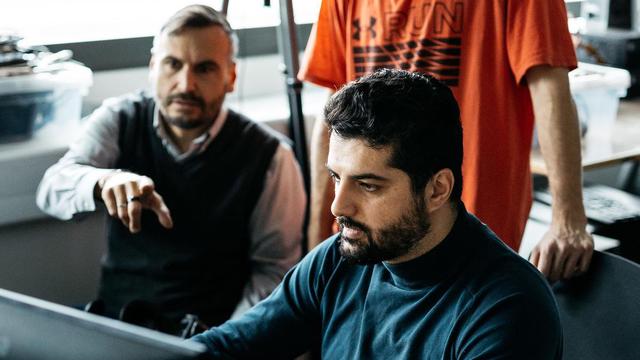 Virtual Reality Lab website
Facilities, projects, people, and activities from the University of Birmingham Virtual Reality Lab.
Virtual Reality Lab website
Facilities, projects, people, and activities from the University of Birmingham Virtual Reality Lab.
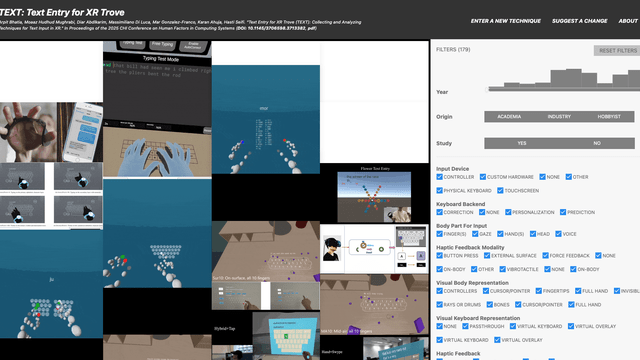 XR Text Trove
Open catalogue and analysis of XR text entry techniques, connected to the CHI 2025 TEXT paper and Google-supported research.
XR Text Trove
Open catalogue and analysis of XR text entry techniques, connected to the CHI 2025 TEXT paper and Google-supported research.
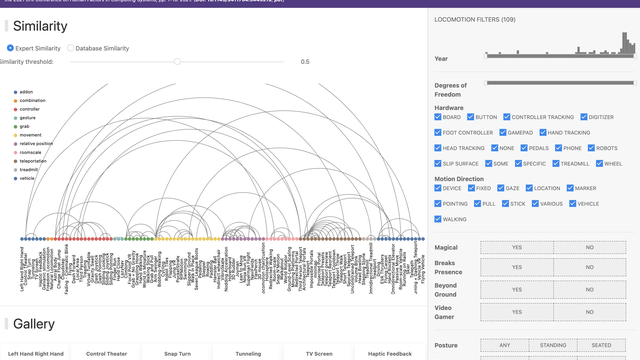 Locomotion Vault
Public resource for analysing, comparing, and standardising VR locomotion techniques.
Locomotion Vault
Public resource for analysing, comparing, and standardising VR locomotion techniques.
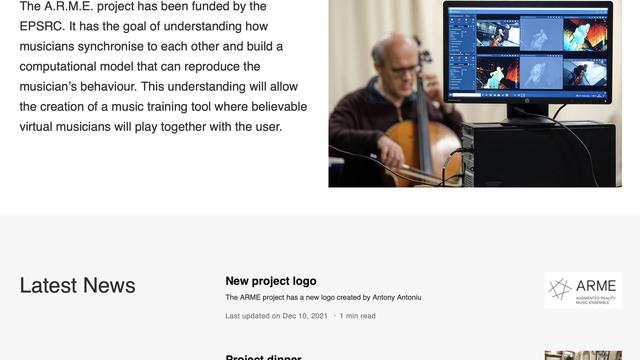 Augmented Reality Music Ensemble
Research platform and public resources for augmented and virtual music ensemble rehearsal, connected to MyJAMS and spin-out activity.
Augmented Reality Music Ensemble
Research platform and public resources for augmented and virtual music ensemble rehearsal, connected to MyJAMS and spin-out activity.
 MyJAMS
Spin-out pathway for ARME outputs, translating research on distributed and immersive music rehearsal into public-facing tools.
MyJAMS
Spin-out pathway for ARME outputs, translating research on distributed and immersive music rehearsal into public-facing tools.
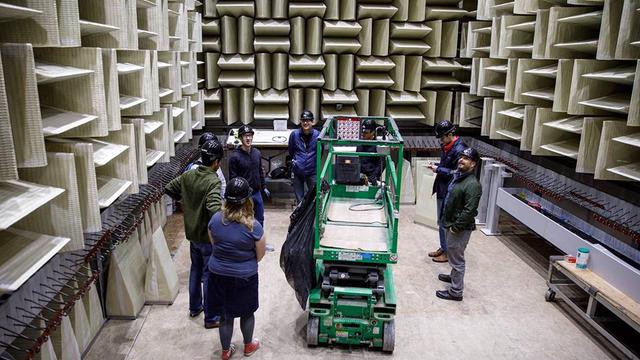 AMUSER
Augmented MUSic Ensemble Rehearsal translation work, developing app and impact pathways from ARME research.
AMUSER
Augmented MUSic Ensemble Rehearsal translation work, developing app and impact pathways from ARME research.
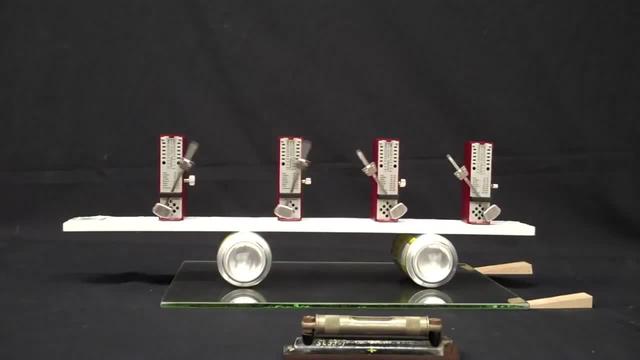 MUSEX
MUSic Ensemble eXhibition, translating ARME research into exhibition, impact, and public engagement outputs.
MUSEX
MUSic Ensemble eXhibition, translating ARME research into exhibition, impact, and public engagement outputs.
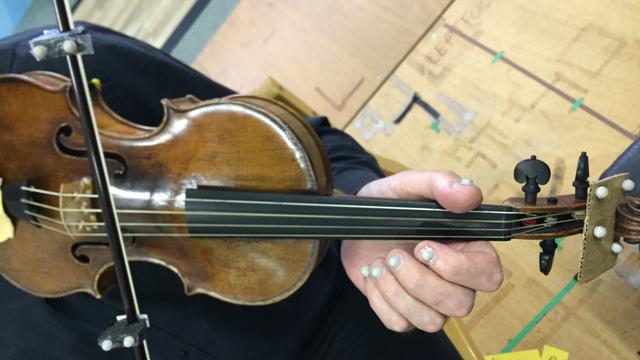 Virtuoso Strings dataset
Open string ensemble recordings, scores, and onset annotations for timing analysis, automatic music transcription, and ARME research.
Virtuoso Strings dataset
Open string ensemble recordings, scores, and onset annotations for timing analysis, automatic music transcription, and ARME research.
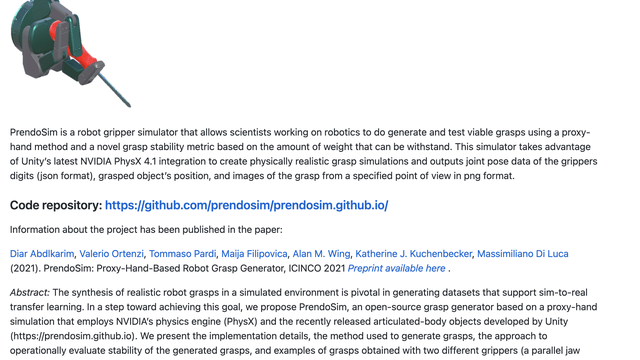 PrendoSim software
Proxy-hand-based robot grasp generation software for studying, simulating, and demonstrating object handovers.
PrendoSim software
Proxy-hand-based robot grasp generation software for studying, simulating, and demonstrating object handovers.
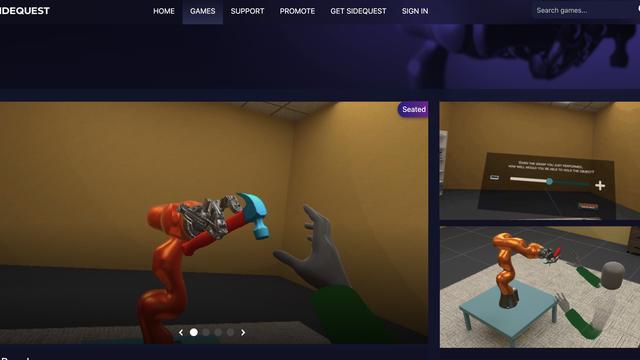 Prendo VR grasping experiment
VR grasping demonstrator used to explore hand interaction, object transfer, and perception-action coupling.
Prendo VR grasping experiment
VR grasping demonstrator used to explore hand interaction, object transfer, and perception-action coupling.
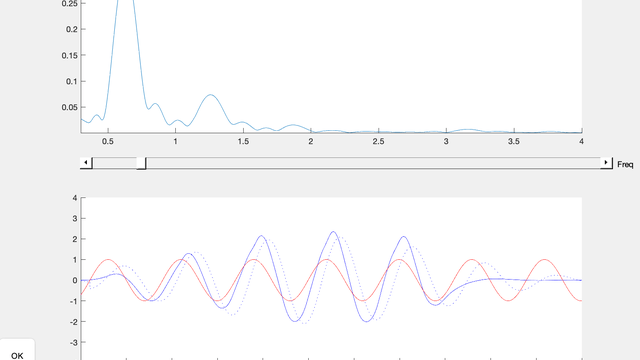 VR delay measurement code
Software supporting reproducible measurement of end-to-end latency in virtual reality systems, linked to work on timing accuracy in psychophysical and XR experiments.
VR delay measurement code
Software supporting reproducible measurement of end-to-end latency in virtual reality systems, linked to work on timing accuracy in psychophysical and XR experiments.
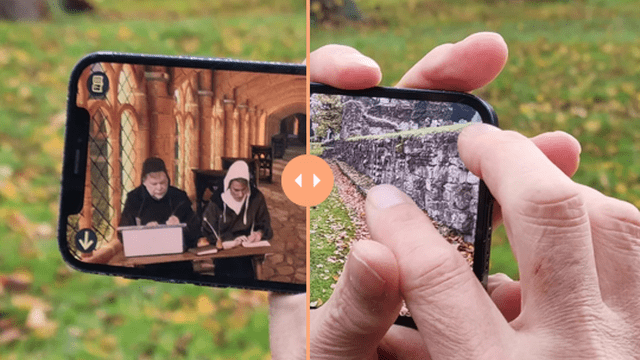 Kenilworth Revealed
Augmented reality heritage experience bringing Kenilworth’s history to life. MyJAMS contributed filmed performance elements inserted into the reconstructed medieval environment; Zubr developed the app for Kenilworth Town Council.
Kenilworth Revealed
Augmented reality heritage experience bringing Kenilworth’s history to life. MyJAMS contributed filmed performance elements inserted into the reconstructed medieval environment; Zubr developed the app for Kenilworth Town Council.